Lymphedema
The hidden cause of persistent leg swelling — and how we help manage it.
- Home
- Conditions
- Lymphedema
What Is Lymphedema?
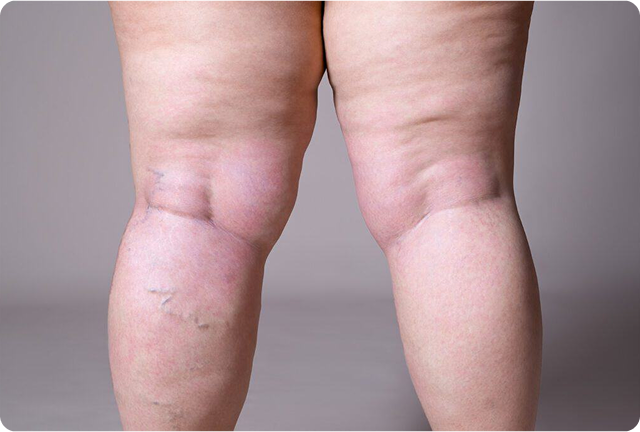
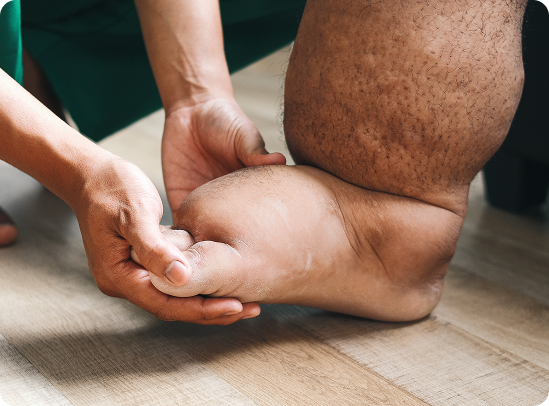
Lymphedema is a condition where the body’s lymphatic system becomes impaired, leading to chronic leg lymphedema and swelling.
The lymphatic system helps drain excess fluid from tissues and return it to the bloodstream. When this system becomes damaged, overwhelmed, or blocked, fluid builds up in the tissue, causing swelling that doesn’t easily go away.

Common Signs of Lymphedema
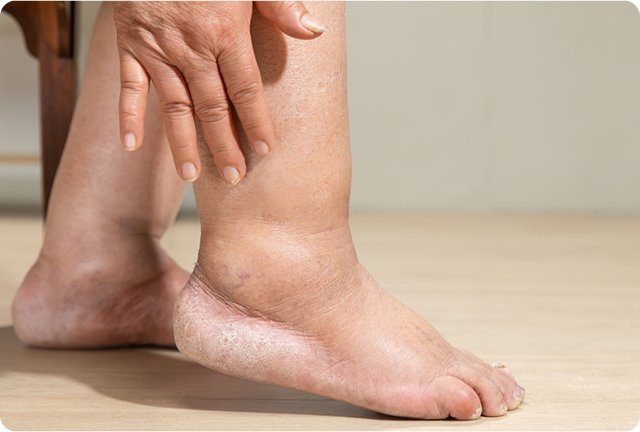
- Persistent leg or ankle swelling (often worse at the end of the day)
- Swelling that doesn’t fully resolve with leg elevation
- Heaviness, tightness, or discomfort in the legs
- Thickened, firmer skin over time
- Skin dimpling, folds, or “woody” texture in advanced cases
What Causes Lymphedema?
Primary Lymphedema:
A rare genetic or developmental condition where the lymphatic system is underdeveloped.
Secondary Lymphedema:
Far more common — occurs when the lymphatic system is damaged due to:
✔️ Chronic venous insufficiency (CVI)
✔️ Vein disease left untreated for too long
✔️ Surgery, trauma, infection, or cancer treatments (such as lymph node removal)
Lymphedema frequently develops after years of unmanaged vein disease.
Is It the Same as Vein Disease?
No — but it is often closely related.
Many patients with chronic venous insufficiency (CVI) or untreated vein disease develop combined venous and lymphatic swelling. This is sometimes called phlebolymphedema.
In these cases, the failing veins create excess pressure in the leg, overloading the lymphatic system over time.
When vein disease is part of the problem, treating it can significantly reduce swelling and improve lymphatic function.
How We Help Manage Lymphedema
Management starts with a thorough evaluation to determine whether your swelling is due to vein disease, lymphatic dysfunction, or both.
✔️ If vein disease is present, we treat it first. Correcting the venous insufficiency reduces pressure in the legs and often results in significant improvement in swelling and lymphatic function.
For true or residual lymphedema, our approach includes:
✔️ Pneumatic compression devices (at-home pump therapy) — organized through our clinic for qualifying patients
✔️ Compression garments — properly fitted for your needs
✔️ Long-term vein health management
✔️ Education on skin care, swelling control techniques, and lifestyle strategies to maintain leg health
Is Treatment Covered by Insurance?
Yes. Pneumatic compression devices and vein treatments are typically covered when medically necessary and properly documented.
Why Choose The Vein Clinic of Dallas?
✔️ Physician-led care — always. Every evaluation is performed by Dr. Husein Poonawala — not delegated.
✔️ Comprehensive diagnosis. We determine whether your swelling is from vein disease, lymphatic dysfunction, or both.
✔️ Correction where possible. If vein disease is part of the problem, we treat it first to relieve pressure and improve lymphatic drainage.
✔️ Long-term support. We organize pneumatic compression devices and guide you through ongoing management with a plan tailored to your needs.
Results You Can Expect
✔️ Reduction in leg and ankle swelling over time
✔️ Less discomfort, tightness, and heaviness
✔️ Prevention of worsening skin changes, infections, and complications
✔️ Better comfort, mobility, and quality of life
🔎 Causes & Risk Factors
If left untreated, May-Thurner Syndrome can lead to:
Cancer and cancer treatments
Surgery or injury to lymph nodes
Radiation therapy
Obesity
Deep vein thrombosis (DVT)
Infections, especially parasitic (e.g., filariasis in tropical regions)
Contact Information
Say something to start a live chat!
- (469) 846-8346
- (469) 409-0001
- assist@veinclinicofdallas.com
- 3051 Churchill Dr, Suite 116, Flower Mound, TX 75022