Skin Changes & Venous Ulcers
Causes, Treatment Options, and What to Expect
- Home
- Conditions
- Leg Cramps
🔬 Underlying Cause: Chronic Venous Insufficiency (CVI)
Skin changes and venous ulcers are common complications of chronic venous insufficiency (CVI), a condition where veins in the lower legs fail to return blood efficiently to the heart. Venous ulcers are the most common type of leg ulcer, typically occurring above the ankle on the inner leg (medial malleolus). They can be painful, slow-healing, and often recur if the underlying venous problem is not addressed.
What Causes Skin Changes & Venous Ulcers?
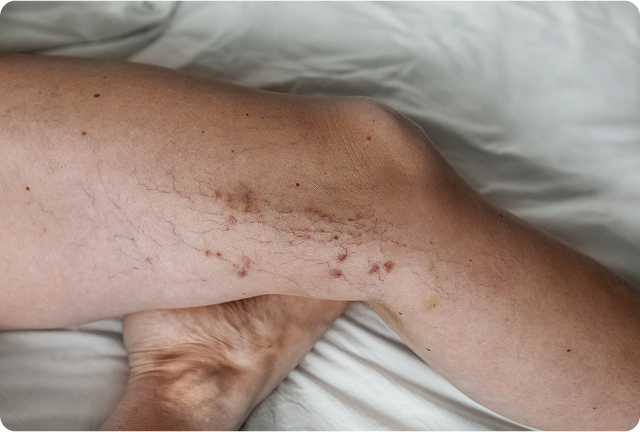
When veins stop working properly, blood begins to pool in the legs and the pressure inside them rises. Over time, this damages the surrounding skin and tissues. The earliest signs may include discoloration, dryness, itching, or thickening of the skin around the ankles.
Without treatment, this can progress to open wounds called venous ulcers — often painful and notoriously slow to heal.
Common Skin Changes Linked to Vein Disease
- Brown, reddish, or purplish discoloration near the ankles
- Skin thickening, dryness, or leathery appearance
- Itching, tenderness, or inflammation
- Weeping fluid from the skin
- Slow-healing sores (venous or ankle ulcers), usually above the ankle

Why Address Skin Changes Early?
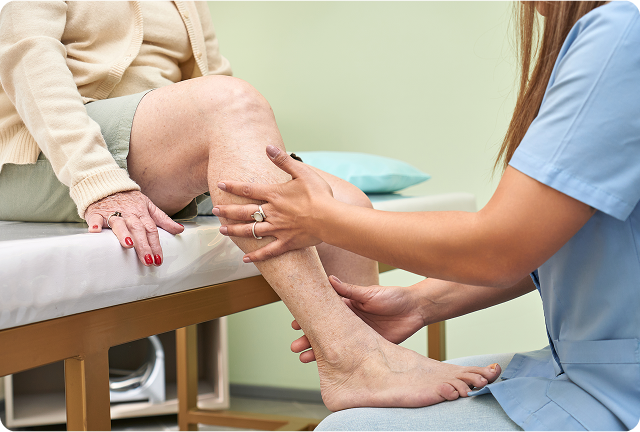
Skin changes are an early warning that vein disease is advancing. Addressing them promptly can stop progression and protect your long-term leg health.
Ignoring them, on the other hand, can lead to:
- Worsening skin damage
- Development of painful ulcers
- Increased risk of infections
- Permanent skin discoloration and scarring
How We Treat Skin Changes & Venous Ulcers
The key to healing is treating the underlying vein disease — not just the skin.
At The Vein Clinic of Dallas, we use minimally invasive vein treatments to restore proper circulation. These treatments improve skin health and promote ulcer healing. Options may include:
– Radiofrequency Ablation (RFA)
– VenaSeal Closure
– Varithena Microfoam Ablation
– Microphlebectomy (if large varicose veins are present)
– Compression therapy and long-term vein health maintenance
If ulcers are present, we also coordinate advanced wound care as needed.
What Results Can I Expect?
✔️ Skin improvements: Reduced discoloration, less inflammation, softer skin over time
✔️ Ulcer healing: Most venous ulcers heal within weeks of restoring proper circulation
✔️ Prevent future wounds: Proper treatment prevents recurrence when paired with ongoing vein health maintenance
Is Treatment Covered by Insurance?
Yes — when skin changes or ulcers are related to chronic venous insufficiency (CVI), treatment is considered medically necessary and is typically covered by insurance.
Why Choose The Vein Clinic of Dallas?
✔️ Physician-led care. Every patient’s evaluation, treatment plan, and procedure are personally overseen and performed by Dr. Husein Poonawala — never delegated to mid-levels or assistants.
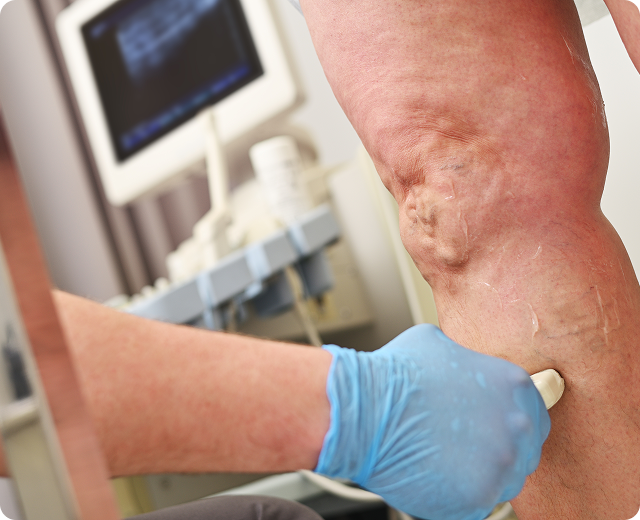
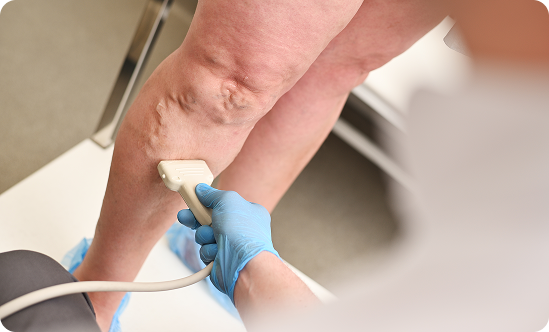
✔️ Advanced diagnostics. High-resolution ultrasound, thermal vascular imaging, and vein mapping tools detect even subtle issues.
✔️ Precision treatments. Modern, walk-in, walk-out procedures with no downtime.
✔️ Long-term care focus. We help patients not only treat the problem but maintain vein health to prevent future complications.
Common Questions About Skin Changes & Venous Ulcers
Are skin changes around the ankles always a sign of vein disease?
Not always — but they are one of the most common early indicators of chronic venous insufficiency. A vein evaluation can confirm whether vein disease is the cause.
How long does it take for venous ulcers to heal after treatment?
Most venous ulcers begin healing within weeks once circulation is corrected. With proper follow-up and compression, many patients see full closure and long-term prevention of recurrence.
Contact Information
Say something to start a live chat!
- (469) 846-8346
- (469) 409-0001
- assist@veinclinicofdallas.com
- 3051 Churchill Dr, Suite 116, Flower Mound, TX 75022